
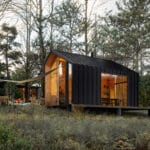
Living in a small space doesn’t mean living small. With thoughtful design, every square foot can work harder, feel bigger, and look beautiful. Whether it’s a tiny home, a cabin, a bunkie, or even a studio apartment, the right layout and storage solutions can transform compact living into something functional, stylish, and surprisingly spacious.
At West Quebec Shed Company, we’ve seen firsthand how clever design ideas can make small homes feel like big opportunities. This guide explores the most effective design strategies, from lofts to one-wall kitchens, vaulted ceilings to built-in shelving, and shows how to unlock the full potential of a compact space.
Why Small-Space Design Matters
When you’re designing a tiny home or other compact space, every inch matters. Unlike larger houses where unused corners or oversized hallways don’t affect the overall flow, in a small home, wasted space is a luxury you can’t afford.
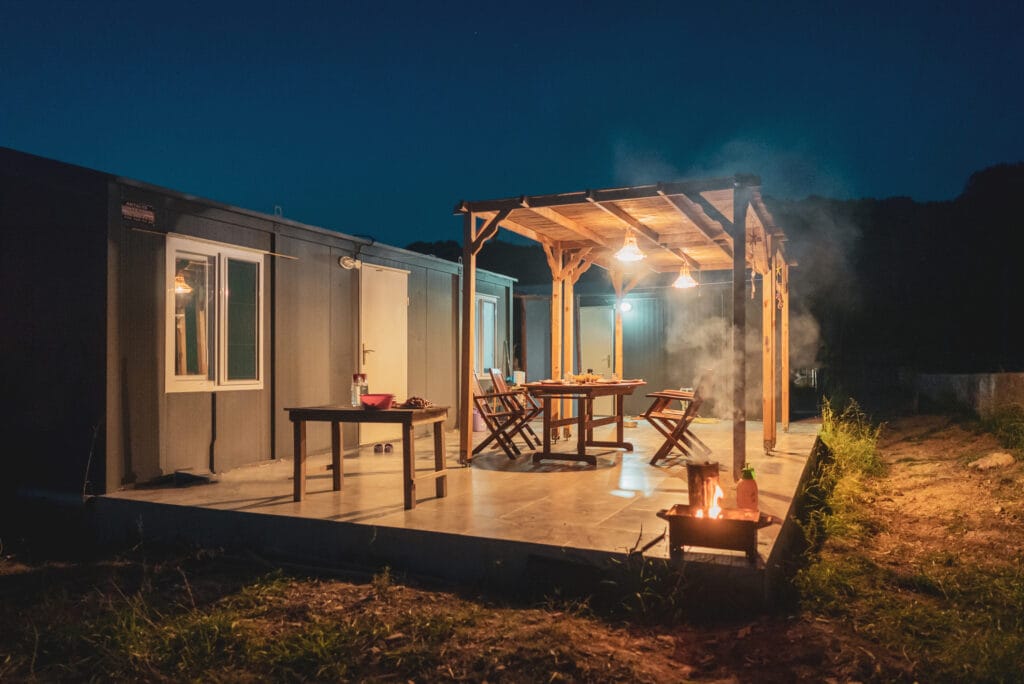
Functionality: Smart design ensures that daily living tasks — cooking, sleeping, relaxing — are easy and efficient.
Comfort: Clever layouts prevent the “cramped” feeling and create openness.
Style: Just because a home is small doesn’t mean it can’t feel beautiful, modern, or unique.
Value: Well-designed small spaces often hold more resale appeal, especially as demand for tiny homes grows.
Think of small-space design as an art form: blending functionality, creativity, and personality into a footprint that most people would overlook.
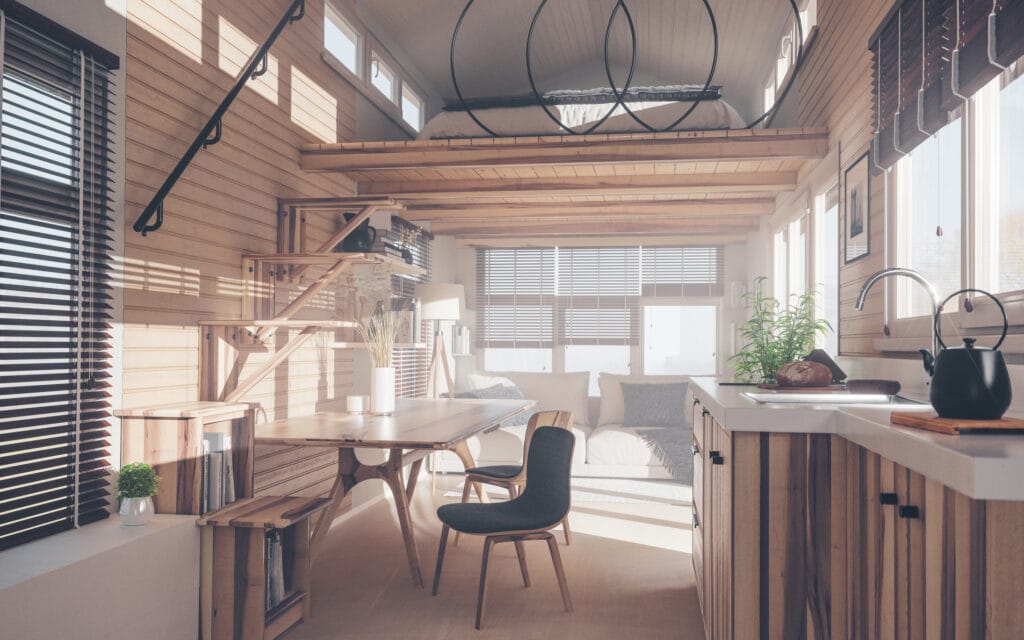
Loft Living: Creating Space Above
One of the most transformative ways to expand usable space in a small home is by building upward. Lofts are a classic solution in tiny homes because they add an entire new level without increasing the footprint.
Sleeping Lofts
Perfect for queen or double beds, freeing up the ground level for living areas.
Add skylights or small windows for natural light, preventing the loft from feeling enclosed.
Safety features like railings or partial walls help the loft feel secure.
Storage Lofts
Not every loft has to be a bedroom. A storage loft can keep seasonal items, luggage, or sports equipment neatly tucked away.
This is especially useful in climates with four seasons — you’ll want somewhere for bulky winter gear when summer arrives.
Multi-Use Lofts
Some homeowners take it further and design lofts that double as reading nooks, home offices, or kids’ play spaces. A loft can be more than just a bed; it’s an opportunity to add a personalized zone that otherwise wouldn’t fit.
The One-Wall Kitchen: Efficiency Meets Style
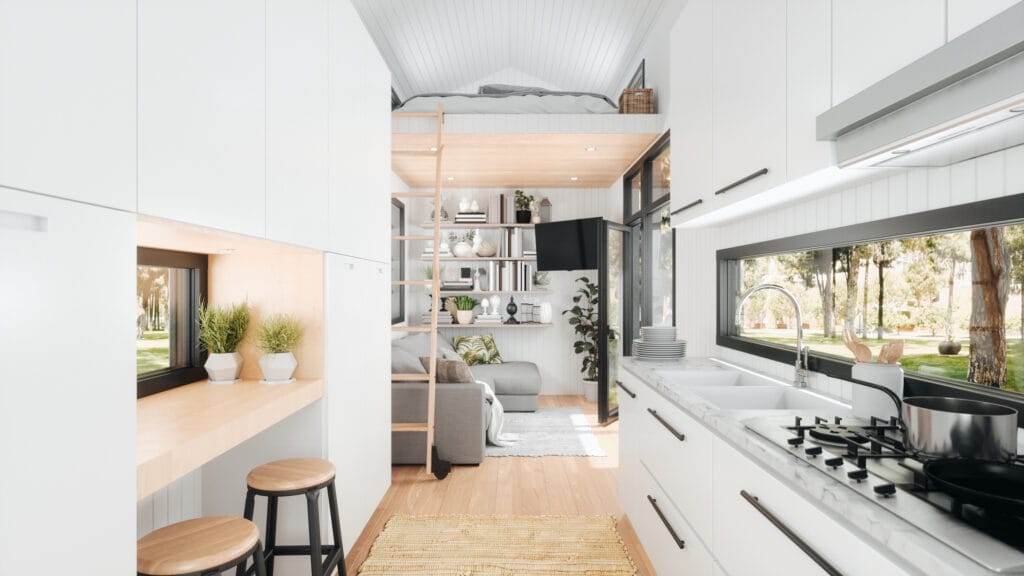
Kitchens can take up a surprising amount of space, but a one-wall kitchen streamlines everything without sacrificing usability.
Key Features
Single wall alignment: All appliances and cabinetry sit on one wall, creating a clean and efficient setup.
Compact appliances: Smaller fridges, two-burner cooktops, or combo washer/dryer units fit seamlessly.
Multi-functional additions: A fold-down table or rolling island can provide extra prep space when needed, then disappear when not in use.
Benefits
Keeps the main floor open, avoiding the “galley kitchen” squeeze.
Easy to clean and maintain.
Stylish when combined with open shelving, sleek finishes, or modern cabinetry.
A one-wall kitchen is a great example of how minimalism and functionality go hand in hand.
Open-Floor Concepts: Making Small Feel Spacious
Walls can shrink a small home — both literally and visually. That’s why open-floor concepts are so powerful in compact living.
How It Works
Instead of dividing the space into separate rooms, combine living, dining, and kitchen into one flowing zone.
Use furniture (like a sofa, rug, or dining table) to define boundaries without closing off the space.
Visual Tricks
Mirrors and large windows expand the feel of the room.
Consistent flooring across the whole main level avoids “choppy” transitions.
Neutral or light colors create brightness and flow.
The result? A home that feels twice its size, even when it’s technically under 300 square feet.
Vaulted Ceilings: The Illusion of Grandeur
When floor space is limited, ceiling height becomes your best friend. Vaulted ceilings instantly make a small home feel bigger and more luxurious.
Why They Work
High ceilings create a sense of openness and airiness.
They allow for dramatic architectural features, like exposed beams or skylights.
They make lofts more comfortable by increasing headroom.
Even adding just a few extra feet of vertical height can change the entire feel of a room. Instead of being boxy, the home feels expansive and airy.
Built-In Shelving: Storage That Disappears
Storage is the backbone of small-space design. Without enough of it, clutter quickly takes over. But adding bulky cabinets or furniture defeats the purpose.
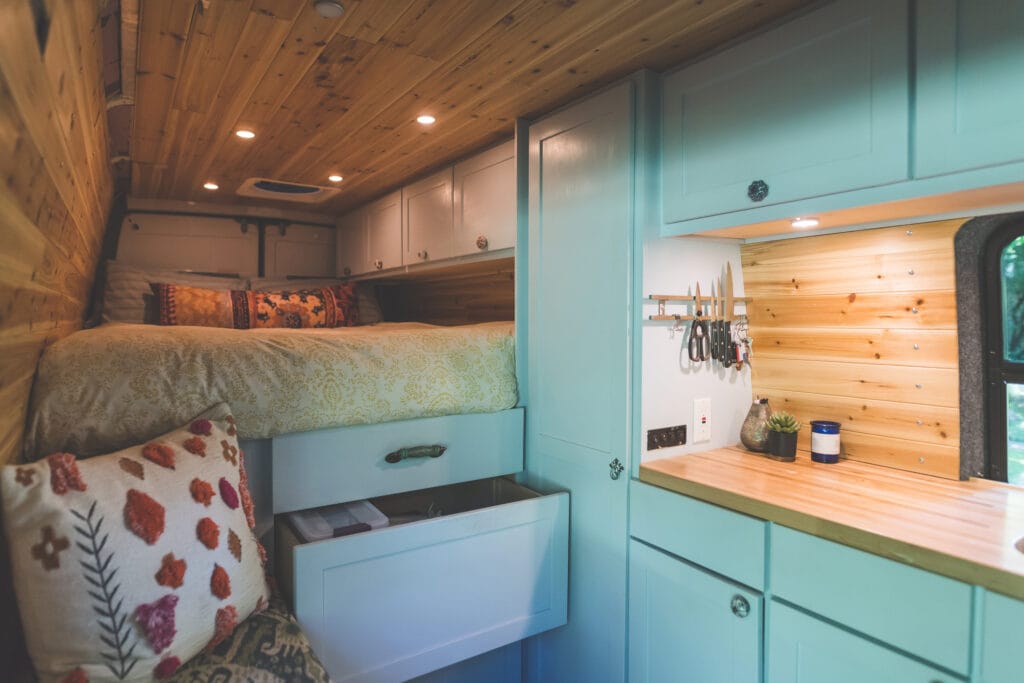
Built-In Ideas
Staircase Storage: Drawers built into stair risers or cubbies beneath the steps.
Under-Bed Drawers: A raised platform bed with built-in storage below.
Wall Niches: Shallow recessed shelving that doesn’t intrude into the room.
Custom Cabinets: Tailored to odd nooks and corners that would otherwise go unused.
Why Built-Ins Win
They maximize space without adding visual bulk.
They create a seamless, polished look.
They often replace the need for additional furniture pieces, freeing up floor space.
Every tiny home should have at least a few built-ins to keep things practical and clutter-free.
Porthole Windows: Small Touch, Big Impact
Windows play a huge role in making a small home feel open and connected to the outside world. While standard rectangular windows are common, porthole windows bring unique benefits.
Advantages
Circular design adds visual interest and a modern nautical feel.
Perfect for tight wall spaces where a large window wouldn’t fit.
Still lets in natural light, brightening the interior.
Can be placed creatively — in lofts, stairwells, or bathrooms.
Sometimes, it’s these small, quirky details that make a tiny home feel unforgettable.
Bonus Design Strategies
While lofts, one-wall kitchens, and vaulted ceilings are top-tier strategies, there are plenty of smaller design hacks worth considering:
Sliding or Pocket Doors: Save floor space compared to swinging doors.
Convertible Furniture: Murphy beds, fold-out desks, and nesting tables.
Outdoor Extensions: Decks or patios expand living areas beyond the walls.
Color Psychology: Light colors create openness, while bold accents add character without overwhelming the room.
Minimalist Decor: Less clutter means more breathing room.
Real-Life Applications
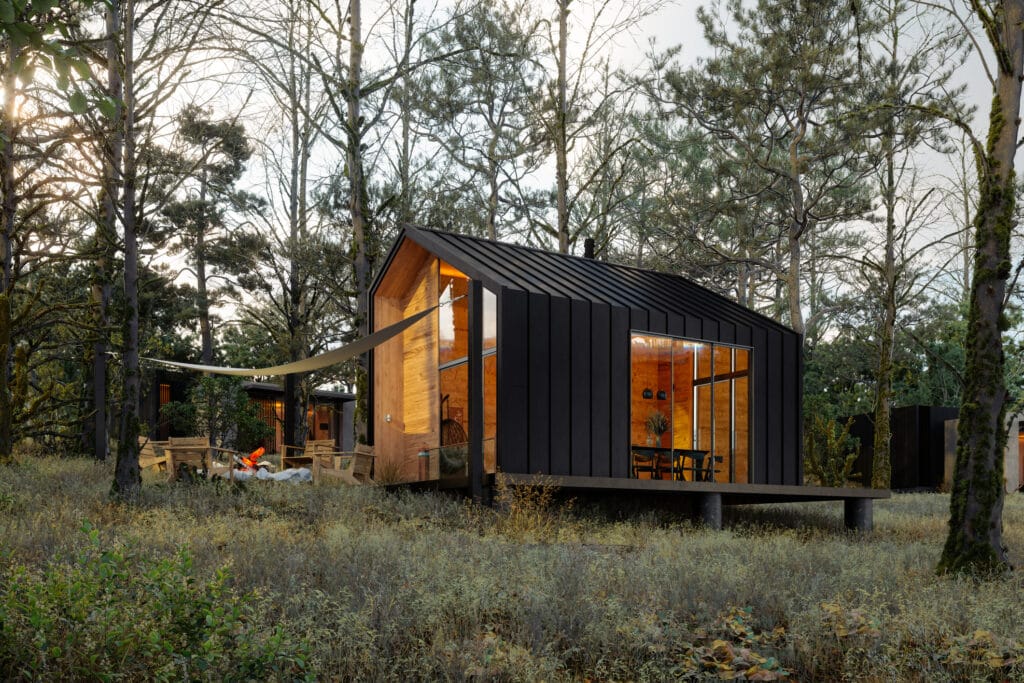
At West Quebec Shed Company, we’ve helped customers create spaces that fit their lifestyles perfectly. Some popular uses for these designs include:
Home Offices: A loft bedroom frees the main floor for a desk and workspace.
Guest Bunkies: Built-in storage allows for easy turnover and less clutter.
Rental Properties: Open-floor layouts make tiny rentals feel larger to guests.
Personal Retreats: Vaulted ceilings and unique windows transform small cabins into cozy escapes.
These designs aren’t just concepts — they’re real, practical, and tested by homeowners who want both functionality and comfort.
Why This Matters More Than Ever
The tiny home movement continues to grow, not just in Quebec but worldwide. People are looking for:
Affordability: Smaller homes cost less to build and maintain.
Sustainability: They use fewer resources and encourage eco-friendly living.
Flexibility: Perfect as starter homes, backyard guest suites, or retirement downsizing options.
Design is what makes tiny living possible — without it, these homes would feel restrictive. With it, they feel liberating.
Final Thoughts
Designing for small spaces is all about maximizing potential and minimizing waste. By using lofts for vertical expansion, one-wall kitchens for efficiency, open concepts for flow, vaulted ceilings for spaciousness, built-ins for storage, and even unique touches like porthole windows, a tiny home becomes a creative, comfortable, and inspiring place to live.
At West Quebec Shed Company, we believe a small home should never feel small — it should feel smart. With clever layouts and storage solutions, compact living can be stylish, practical, and deeply satisfying.
Ready to explore your own tiny home possibilities? Browse our Tiny Homes page or contact us today to start designing a space that’s perfectly suited to you.